
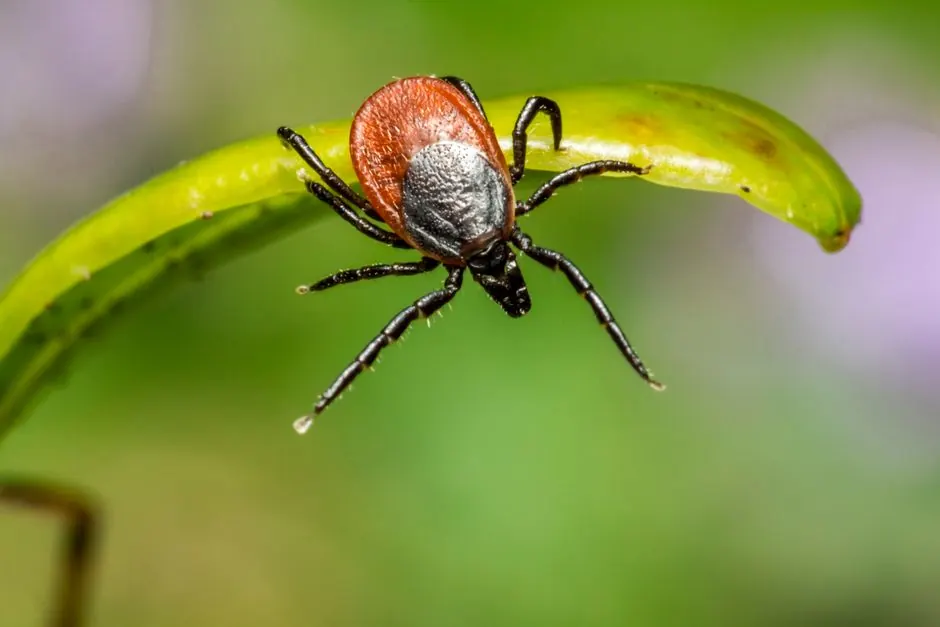
Ticks are more than just a nuisance; they pose a serious health risk to pets in Nicholasville. As these parasites latch onto your furry friends, they can transmit dangerous diseases that may lead to severe health issues. In this article, we will explore the reasons why ticks are a concern for pets, the common species found in Kentucky, the health risks they carry, and how you can protect your pets effectively.
Understanding Ticks and Their Risks
Ticks are small arachnids that thrive in wooded and grassy areas. They feed on the blood of mammals, birds, and sometimes reptiles. The primary concern for pet owners is that ticks can transmit various diseases, including Lyme disease, Rocky Mountain spotted fever, and anaplasmosis. These diseases can lead to serious health complications if not treated promptly.
In Nicholasville, the humid climate provides an ideal environment for ticks to thrive. They are most active during the warmer months, particularly from spring through fall. During this time, it is crucial for pet owners to be vigilant and take preventative measures.
Common Tick Species in Kentucky
In Kentucky, several tick species are commonly found. Understanding these species can help you identify potential risks for your pets:
- Deer Tick (Ixodes scapularis): Known for transmitting Lyme disease, these ticks are small and often go unnoticed.
- American Dog Tick (Dermacentor variabilis): Commonly found in grassy areas, these ticks can transmit Rocky Mountain spotted fever.
- Brown Dog Tick (Rhipicephalus sanguineus): This species primarily infests dogs and can spread diseases like ehrlichiosis.
Health Risks Associated with Ticks
Ticks can carry various pathogens that pose significant health risks to pets. Here are some of the most common diseases transmitted by ticks:
- Lyme Disease: This disease can lead to joint pain, fever, and lethargy in pets.
- Rocky Mountain Spotted Fever: Symptoms include fever, vomiting, and skin lesions.
- Anaplasmosis: This disease can cause fever, joint pain, and loss of appetite.
Prompt treatment is essential if a tick-borne disease is suspected. Early detection can significantly improve the outcome for your pet.
How to Protect Your Pets from Ticks
Preventing tick infestations is crucial for your pet's health. Here are effective strategies to keep your pets safe:
- Regular Tick Checks: After outdoor activities, thoroughly check your pet for ticks, especially around the ears, neck, and between the toes.
- Use Tick Preventatives: Consult your veterinarian about suitable tick prevention products, including topical treatments and collars.
- Avoid Tick-Prone Areas: When walking your dog, try to stay on paths and avoid tall grasses and dense vegetation.
- Maintain Your Yard: Keep your lawn well-trimmed and remove leaf litter and tall grasses where ticks may hide.
For comprehensive protection, consider professional Flea and Tick Control in Kentucky to treat your property and prevent infestations.
Common Mistakes Pet Owners Make
While many pet owners take precautions against ticks, some common mistakes can undermine their efforts:
- Neglecting Regular Checks: Failing to check pets regularly for ticks can lead to unnoticed infestations.
- Inconsistent Use of Preventatives: Not using tick preventatives consistently can leave pets vulnerable.
- Ignoring Symptoms: Overlooking signs of tick-borne diseases can delay treatment and worsen your pet's condition.
When to Call a Professional
If you suspect your pet has been bitten by a tick or is showing symptoms of a tick-borne disease, it's crucial to seek veterinary care immediately. Additionally, if you find a tick on your pet, remove it carefully and consult your veterinarian for advice. For effective treatment and prevention strategies, consider reaching out to Pest Control in Nicholasville for professional assistance.
Frequently Asked Questions
How can I tell if my pet has ticks?
Check your pet's body thoroughly, focusing on areas like the ears, neck, and paws. Look for small, dark spots or any signs of irritation.
What should I do if I find a tick on my pet?
Remove the tick with fine-tipped tweezers, grasping it as close to the skin as possible. Clean the area with antiseptic and monitor for any signs of illness.
Can ticks transmit diseases to humans?
Yes, ticks can transmit diseases to humans, so it's essential to take precautions for both pets and family members.
How often should I treat my pet for ticks?
Follow your veterinarian's recommendations for tick prevention, which may vary based on your pet's lifestyle and local tick population.
Get Help with Pest Control in Nicholasville
Protect your pets from the dangers of ticks by implementing effective prevention strategies. For professional assistance, contact us today at +18668891132 for expert pest control services.